
Jumping into a game cold is a quick way to pull a muscle or roll an ankle. A good warm-up raises your heart rate, loosens your joints, and prepares your muscles for quick cuts and jumps. It takes less than ten minutes. This guide offers a simple dynamic routine. It is general fitness information, not medical advice. If you have an injury or medical condition, ask a doctor or physical therapist what is right for you.
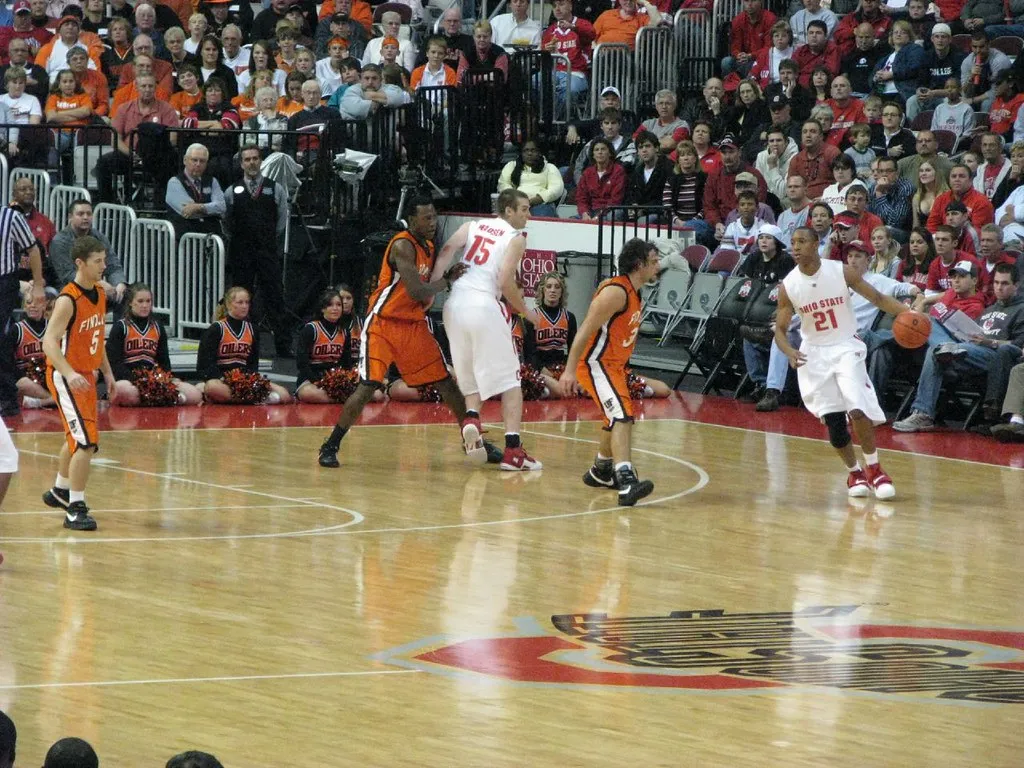
Warm up before you play and stop if something hurts. This is general information, not medical or coaching advice.
Why warm up
A warm-up gradually increases blood flow to muscles, raises body temperature, and rehearses the movements you will use. It may help reduce the risk of strains and help you perform better. Basketball involves sudden stops, starts, jumps, and changes of direction, so the legs, ankles, and knees need to be ready.
Dynamic vs static stretching
Static stretches, where you hold a position, are better after exercise. Before playing, dynamic movement is generally recommended: moving your joints through their range of motion with controlled motions.
A simple routine
Do each for about 30 to 60 seconds, or 10 to 15 repetitions. Move at a comfortable pace and increase intensity gradually.
- Light jog. Jog around the court for two to three minutes.
- High knees. Drive your knees up as you move forward.
- Butt kicks. Kick your heels toward your glutes.
- Lateral shuffles. Slide side to side in a low stance, like defense.
- Carioca (grapevine). Cross your feet while moving sideways.
- Walking lunges with a twist. Step forward into a lunge and rotate your torso toward the front leg.
- Leg swings. Hold a wall and swing one leg front to back, then side to side.
- Arm circles. Make big circles with your arms, forward and backward.
- Ankle circles and hops. Circle your ankles and do small hops to wake them up.
- Easy jumps. Do a few easy vertical jumps and landings, then increase.
- Ball warm-up. Dribble, shoot close to the hoop, then move out.
Landing and ankle care
Ankle sprains are among the most common basketball injuries. Warm up your ankles, and practice landing softly with bent knees. Wear supportive shoes. See basketball footwear basics. If you have had a previous sprain, ask a clinician about bracing and strengthening.
Warm up for different ages
Kids can do a simple version that feels like play: running games, skipping, and hopping. Coaches can build warm-up into practice. See youth basketball coaching basics.
Cool down
After you finish, walk for a few minutes, then do static stretches for calves, quads, hamstrings, hips, and shoulders. Hold each for 20 to 30 seconds without bouncing. Hydrate.
Hydration and rest
Drink water before, during, and after play. Rest between sessions. If it is hot, take breaks.
Listen to your body
Stop and seek care if you feel sharp pain, dizziness, chest pain, or unusual shortness of breath. Do not push through injury. Call emergency services in an emergency.
Build strength
Strong legs, hips, and core can help protect your knees and ankles. Basic exercises like squats, lunges, calf raises, and planks are commonly recommended. A coach or trainer can help design a program.
When to see a professional
If pain lasts, swelling persists, or a joint feels unstable, see a doctor or physical therapist.
Include ball skills
Start slow with drills from dribbling drills at home and how to shoot a jump shot as part of your warm-up.
The takeaway
Spend ten minutes on dynamic moves, protect your ankles, and cool down after. See our researched top-10 list for balls and trainers with links to official pages.