
Basketball asks a lot of your feet: sudden stops, cuts, jumps, and landings. Good shoes will not make you a better player on their own, but the wrong ones can hurt your game and your joints. This guide covers the basics of choosing basketball shoes. It is general information, not medical advice. If you have foot, ankle, or knee problems, ask a doctor or podiatrist.
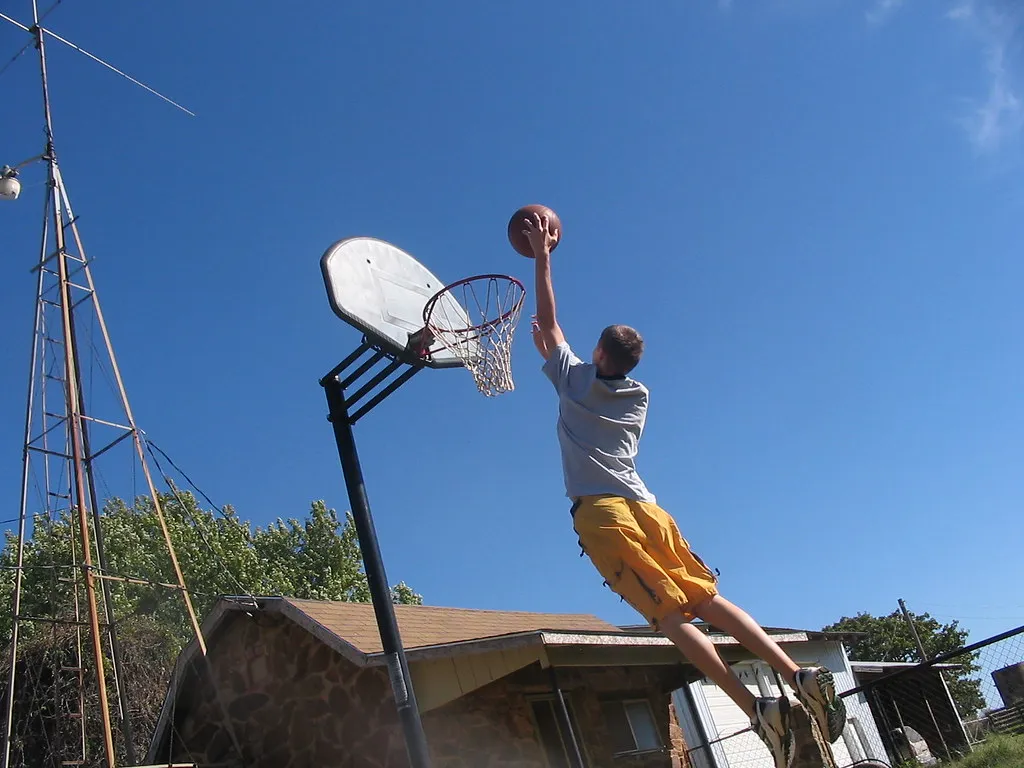
Warm up before you play and stop if something hurts. This is general information, not medical or coaching advice.
Why basketball shoes differ
Basketball shoes are designed for the court. They typically have a grippy outsole for traction on hardwood, cushioning for impact, and support for the ankle and midfoot. Running shoes are designed for forward motion, and they lack the lateral support that basketball needs. Wearing running shoes for basketball can raise the risk of rolling an ankle.
High-top, mid-top, and low-top
- High-tops: extend above the ankle for added coverage. They can feel more supportive, though research on whether high-tops prevent sprains is mixed. They are a common choice for players who want extra support.
- Mid-tops: a balance of support and freedom.
- Low-tops: lighter and more flexible, favored by some guards for speed and mobility. They give less ankle coverage.
The best choice depends on your position, your ankle history, and your comfort. Fit and traction matter more than height alone.
Traction
Look for a durable rubber outsole with a pattern, often herringbone or similar, that grips on a clean court. Dusty courts reduce traction, so wipe the soles with a damp cloth or your hand. Outdoor shoes need tougher rubber. Playing outdoors wears out indoor shoes quickly.
Cushioning
Cushioning absorbs impact from jumping and landing. Types include foam, air units, and gel. More cushioning is not always better. Too much can reduce court feel and stability. Pick the balance that feels comfortable.
Fit
- Shop at the end of the day, when feet are slightly larger.
- Wear the socks you play in.
- Leave a thumb’s width of space at the toe.
- Check that the heel does not slip.
- Check that the midfoot feels snug and secure, without pinching.
- Walk, jump, and cut in the store if you can.
- Choose the right width. Some brands offer wide sizes.
A shoe that is too tight can cause blisters and numbness, and one that is too loose can cause slips and blisters.
Materials and support
Leather, synthetic, and knit uppers each have trade-offs in breathability, support, and durability. Lacing systems, midfoot straps, and heel counters add stability.
Socks
Choose moisture-wicking socks that fit well. Cotton holds sweat and can cause blisters. Two thin layers or cushioned socks may help some players.
Care and replacement
- Air dry shoes after play.
- Do not store them in a hot car.
- Rotate pairs if you play often.
- Replace shoes when cushioning feels flat, the tread is worn smooth, or the upper breaks down. Many players replace after a season or a few hundred hours of play, depending on use.
Injury prevention
Shoes are one piece. Warm up, strengthen your legs and ankles, and land softly. See warm-up before playing basketball. If you have had ankle sprains, ask a clinician about bracing and rehab.
Kids’ shoes
Kids’ feet grow fast. Check fit often, and avoid buying too large. Hand-me-downs can be worn out and misshapen. See youth basketball coaching basics.
Budget
Expensive does not always mean better. Focus on fit and support. Look for sales and last season’s models.
The takeaway
Choose court shoes with good traction, a snug fit, and the support you need. See our researched top-10 list for balls and gear with links to official pages.