
A portable hoop in the driveway can turn a quiet afternoon into a basketball camp. But hoops vary widely in quality, and a poor one can wobble, tip, or fall apart. This guide explains the features that matter, so you can choose a hoop that fits your players and your space. It is general buying information.
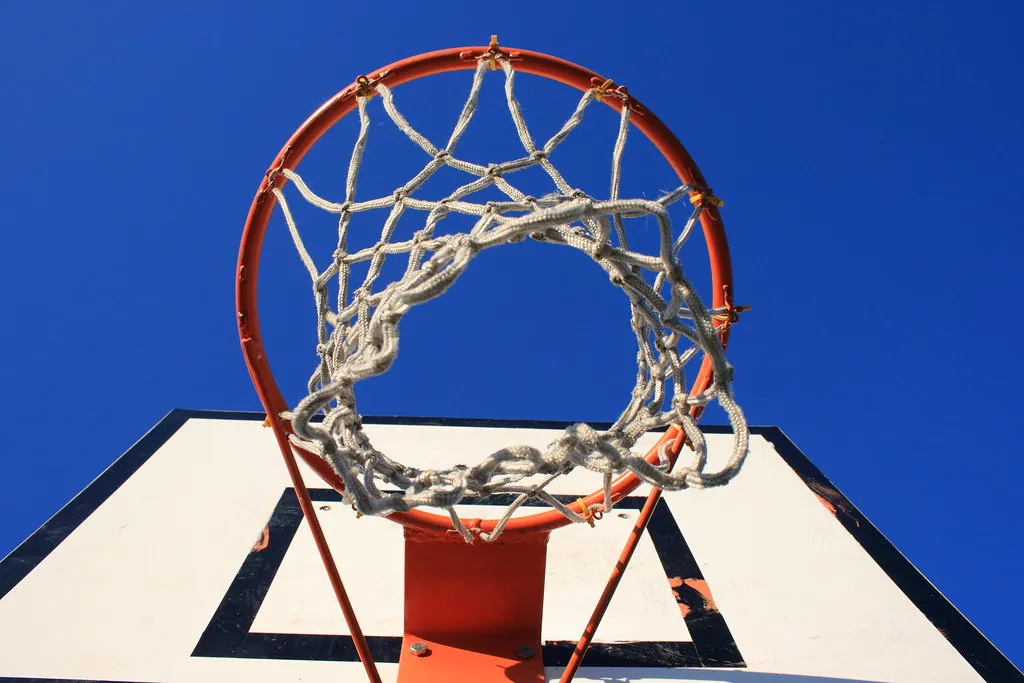
Warm up before you play and stop if something hurts. This is general information, not medical or coaching advice.
Height adjustment
Regulation basketball rims are 10 feet high. Younger players can use a lower rim, which makes it easier to shoot with good form and builds confidence. Many portable hoops adjust from about 7.5 feet to 10 feet. Adjustment mechanisms vary, with cranks, levers, or pins. Make sure the system is easy to use and holds securely.
Base and stability
A portable hoop’s base is a tank you fill with water or sand for weight. The bigger and heavier the base, the more stable the hoop. Look for a base capacity that suits the size of the hoop. A good base sits low and wide. Check how much weight the maker recommends to fill the base. Water is easy to fill and drain, and sand adds weight and is heavier. In cold climates, water can freeze and crack a base, so check the manual for guidance.
Most portable hoops can tip if someone hangs on the rim or if wind catches them. Never hang or swing on the rim, and do not let kids climb the pole. Anchor the hoop if the manufacturer advises.
Backboard
- Polycarbonate: durable, good rebound, and often cheaper. It can flex a bit.
- Acrylic: a firmer rebound and a more realistic feel. It is heavier and more expensive.
- Tempered glass: the best rebound, used on high-end hoops. It is heavy and costly.
Larger backboards, such as 50 to 54 inches, give a better feel for regulation play. Smaller ones, 44 inches or less, suit younger players and casual use.
Rim
Look for a steel rim with a sturdy attachment. Some hoops have breakaway or flex rims that bend during dunks and return. Basic fixed rims are fine for most families. Check that the net is easy to replace.
Pole and padding
A thicker pole is more stable. Padding on the pole and backboard protects players in collisions. Look for secure padding that stays in place.
Wheels
Portable hoops should roll easily for moving and storing. Check wheel quality and how you will move the hoop on your surface.
Placement and safety
- Place the hoop on a flat, level surface, such as a driveway.
- Keep it well away from the street, cars, and windows.
- Allow enough space around it for play.
- Check the base and fittings regularly for wear.
- Fill the base fully, per the instructions.
- Do not leave it standing in high winds or storms. Some experts suggest lowering it or storing it.
Neighborhood and local rules
Some homeowner associations and cities have rules about portable hoops in the street. Check before you buy.
Pick the right ball
A good ball matters too. See how to choose a basketball and indoor vs outdoor basketballs.
Budget notes
Hoop prices range from low to high. Cheaper hoops are fine for casual play, but check reviews for stability and the maker’s warranty. If you play competitively, spend for a sturdier build.
Indoor mini hoops
For small spaces and kids, an over-the-door mini hoop is a fun option. SKLZ sells a Pro Mini Swish Foam Ball for use with its Pro Mini Hoop, a 5-inch soft foam ball. These are quiet, but are not substitutes for regulation practice. See practicing basketball indoors quietly.
Assembly
Many portable hoops take two people and an hour or two to assemble. Read the instructions, use the right tools, and tighten the hardware.
The takeaway
Choose a hoop with adjustable height, a heavy base, a durable backboard, and a sturdy rim. Place it safely. See our researched top-10 list for balls and training gear.